How to make cake flour at home for perfect baking: mastering this essential ingredient can elevate your baking game.
Table of Contents
- What is Cake Flour?
- Difference Between Cake Flour and All-Purpose Flour
- Why Use Cake Flour?
- How to Make Cake Flour at Home for Perfect Baking
- Baking Tips When Using Cake Flour
- Frequently Asked Questions
- Conclusion
What is Cake Flour?
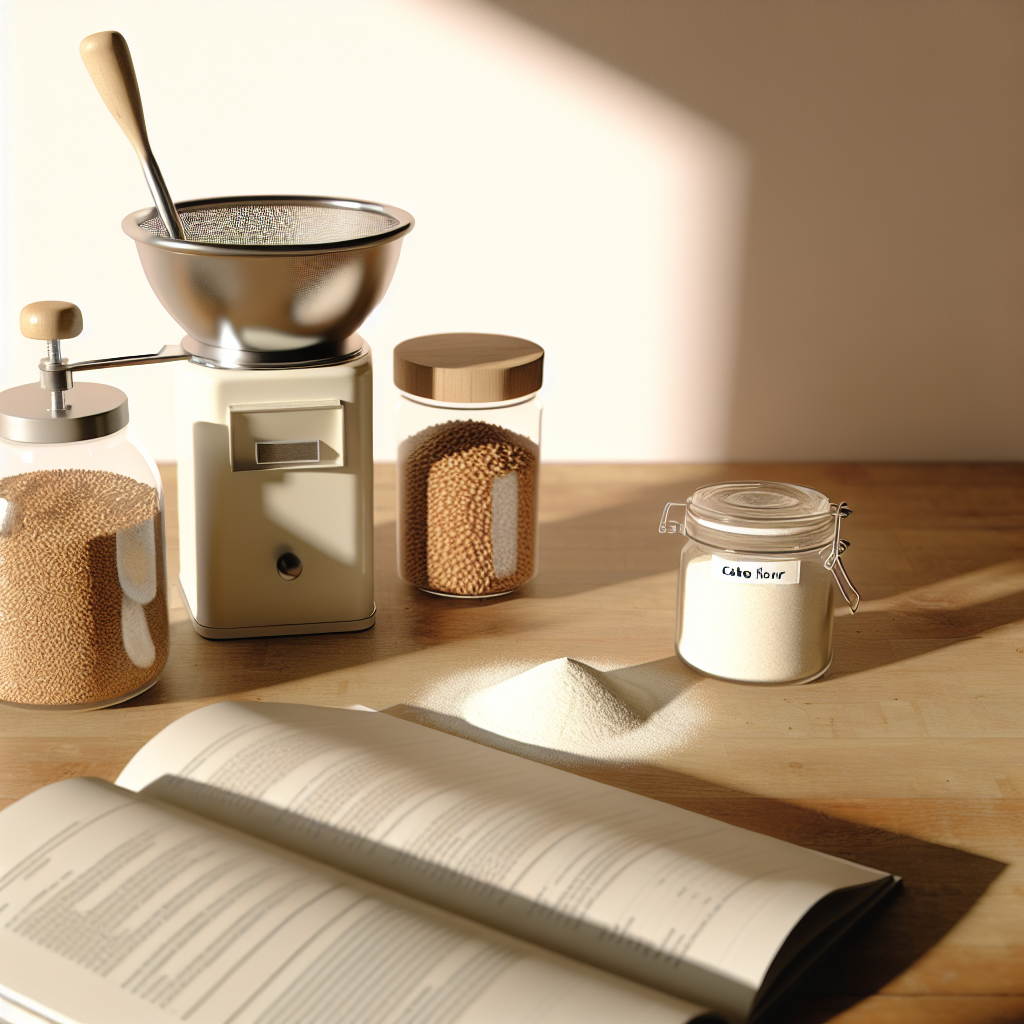
Cake flour is a finely milled white flour that is specifically designed for making cakes, pastries, and other delicate baked goods. It has a low protein content (typically around 7-9%) compared to all-purpose flour, making it perfect for yielding light and tender textures in your baked creations. The fine texture also allows for better absorption of moisture, which translates into softer cakes and fluffier cupcakes.
But how did it get its name? As the name suggests, cake flour is primarily used in recipes that involve baking cakes. It’s particularly popular in recipes that call for a light, airy crumb, such as angel food cakes or chiffon cakes.
Difference Between Cake Flour and All-Purpose Flour
One common question is what distinguishes cake flour from all-purpose flour. Well, let’s break it down:
-
Protein Content: The primary difference lies in the protein content. All-purpose flour generally has a protein content between 10-12%, while cake flour is on the lower end. The lower the protein, the less gluten formation occurs, which leads to softer baked goods.
-
Texture: Cake flour is milled finer than all-purpose flour. This fine texture helps it to incorporate more air into the batter, resulting in lighter cakes.
-
Uses: While all-purpose flour can be used in a wide variety of recipes—from bread to pancakes—cake flour is tailored specifically for pastries, cakes, and other confections that require a tender crumb.
Using the wrong kind of flour can affect the final outcome of your baked goods. If you’re in a pinch and don’t have cake flour on hand, don’t fret! You can create your own version with just a couple of common kitchen ingredients.
Why Use Cake Flour?
So, why should you consider making or using cake flour? Here are some compelling reasons:
-
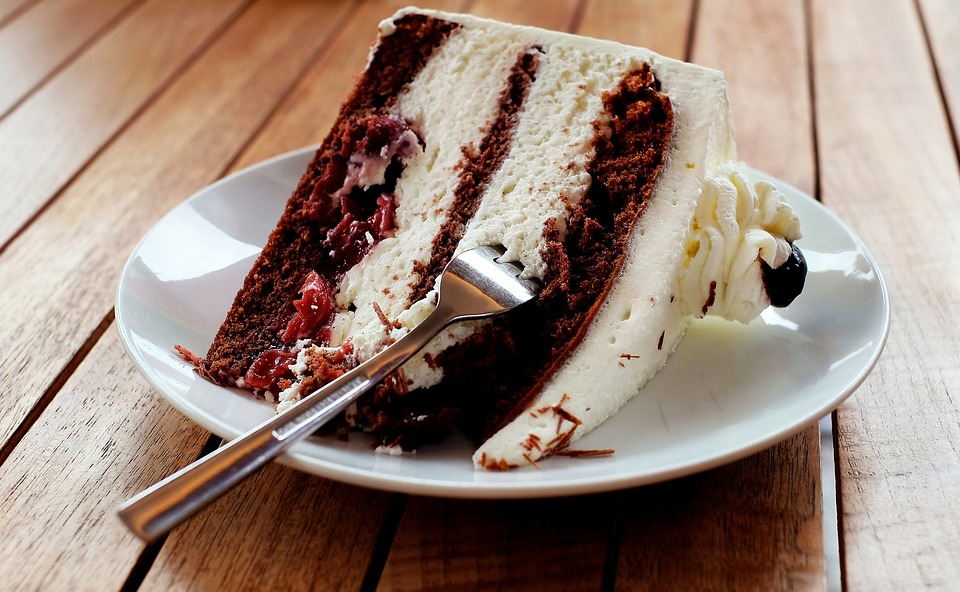
Texture: The low protein content and fine texture of cake flour work together to create the lightest, fluffiest cakes. If you’ve ever enjoyed a slice of sponge cake that practically melts in your mouth, then you’ve likely experienced the magic of cake flour.
-
Versatility: While it’s specifically designed for cakes, cake flour can also shine in cookies, muffins, and pancakes. You can apply it in any recipe where you desire a more delicate crumb.
-
Improved Results: If you want your cakes to rise beautifully and have a fine, tender crumb, then using cake flour is nearly essential. This flour type allows for better moisture retention, resulting in cakes that remain fresh longer and don’t dry out as quickly.
-
Less Toughness: For those sensitive to gluten, cake flour offers an excellent alternative. Its lower protein content means less gluten development, resulting in softer, less chewy products.
-
Flavor Engagement: When you use the right kind of flour, you allow other flavors in your baked goods to shine. Cake flour doesn’t overpower other ingredients, which helps to create a more balanced final product.
How to Make Cake Flour at Home for Perfect Baking
Now that we’ve established the importance and benefits of cake flour, let’s dive into the process of making it at home. This method is simple, quick, and requires very few ingredients. Here’s how to do it:
Ingredients
- All-Purpose Flour: You’ll need a cup of all-purpose flour.
- Cornstarch: For every cup of flour, you’ll use 2 tablespoons of cornstarch.
Instructions
-
Measure Your Flour: Start by measuring out one cup of all-purpose flour. It’s crucial that you measure carefully to get the correct amount.
-
Remove Some Flour: Take out 2 tablespoons of the measured all-purpose flour. This step is essential because you’ll be replacing it with cornstarch.
-
Add Cornstarch: To the flour that’s left in your measuring cup, add 2 tablespoons of cornstarch. This addition will help lower the protein content, mimicking that of cake flour.
-
Whisk Together: Use a whisk or a fork to blend the flour and cornstarch thoroughly. This ensures that the cornstarch is evenly distributed throughout the flour.
-
Sift: For best results, sift the mixture at least once. Sifting not only aerates the flour but also breaks up any lumps, ensuring a smooth and fine texture.
-
Store: If you’re not using it right away, store it in an airtight container and keep it in a cool, dry place. Homemade cake flour lasts just as long as store-bought varieties, so you can make a batch in advance.
Using Cake Flour in Your Recipes
When you use your homemade cake flour, simply substitute it in a recipe that calls for cake flour. Note that some recipes may require slight modifications, especially in terms of liquid or bake time.
It’s a good idea to keep an eye on your baked goods as they cook, particularly if it’s your first time using your homemade cake flour. While chances are high that it will perform well, little adjustments here and there can make a significant difference in the final outcome.
Baking Tips When Using Cake Flour
Here are a few baking tips to keep in mind when using your homemade cake flour to achieve the best results:
-
Be Gentle: When mixing batter made with cake flour, treat it with care. Overmixing can create gluten, leading to a denser cake. Mix just until the ingredients combine.
-
Adjust Liquid Levels: Sometimes, recipes that require cake flour may have different liquid requirements compared to those using all-purpose flour. Keep an eye on your batter; if it seems too thick, you can add a tablespoon of milk or water to reach the desired consistency.
-
Use the Right Equipment: When baking cakes, it’s always best to use the proper tools. A good quality stand mixer, fine sifter, and even baking pans can significantly influence the final result. An even baking pan will help achieve uniform cooking.
-
Room Temperature Ingredients: Make sure ingredients like eggs, butter, and milk are at room temperature before mixing them into your batter. This will promote better emulsification, resulting in a smoother batter.
-
Cooling: After your cakes are baked, allow them to cool in the pan for a short while before transferring them to a wire rack. This will prevent them from collapsing as they cool.
Frequently Asked Questions
1. Can I use all-purpose flour instead of cake flour?
Yes, you can use all-purpose flour, but the texture and structure of your baked goods may differ. If you’re in a bind, you can create a substitute using the method outlined above.
2. What is the shelf life of homemade cake flour?
Homemade cake flour can last for several months if stored in an airtight container in a cool, dry place. However, for the best flavor and performance, use it within 3 months.
3. How much cake flour do I need for a recipe that calls for all-purpose flour?
You can follow the substitution method where you measure out all-purpose flour and replace 2 tablespoons with cornstarch for every cup used.
4. Can I freeze cake flour?
Absolutely! Freezing can prolong its shelf life, and it won’t affect the quality. Just be sure to allow it to come back to room temperature before using it in your baking.
5. What types of recipes are ideal for cake flour?
Cake flour is perfect for recipes requiring light, airy textures, such as sponge cakes, chiffon cakes, pancakes, and muffins. You’ll also find it recommended in many delicate pastry recipes.
Conclusion
Now that you know how to make cake flour at home for perfect baking, you can embark on your baking adventures with confidence. This simple and easily made ingredient can make all the difference in the outcome of your cakes, pastries, and desserts. If you found this article useful, feel free to share it with friends or family who could use a little cake flour magic in their kitchens! Happy baking!